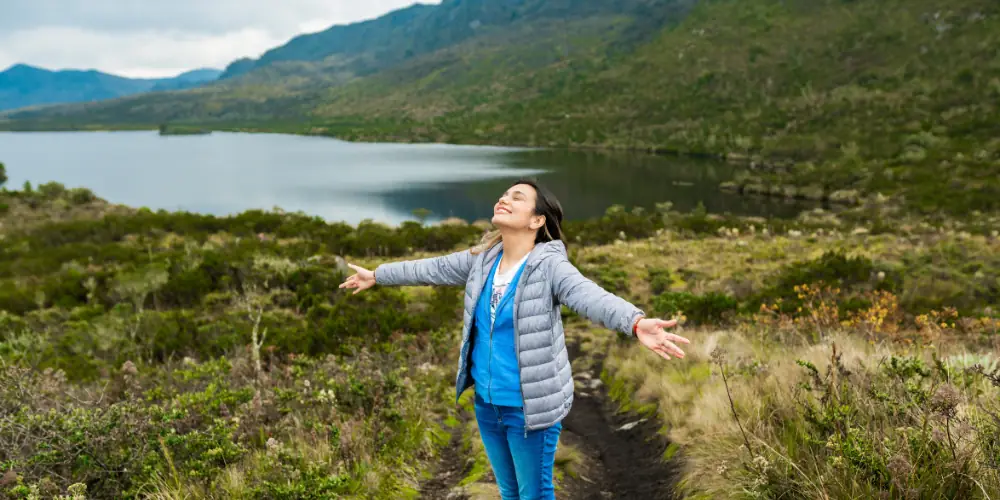
A few hours away from screens and city noise can shift how the body feels and how the mind processes stress. Fresh air, natural light, and green surroundings create a simple yet powerful reset for daily routines.
Research continues to show that time outdoors supports both mental clarity and physical function in measurable ways, making it a practical habit for modern lifestyles.
Nature and Mental Health Benefits
Time in natural surroundings supports a calmer mental state by reducing mental strain built up from constant digital input and urban pressure. A 2019 study in Nature Scientific Reports highlights that spending at least 120 minutes per week in natural environments links directly to improved psychological well-being and better self-reported health.
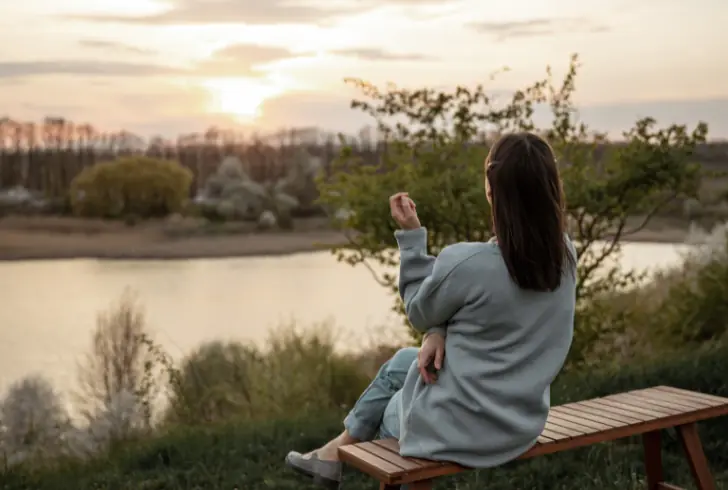
As stress levels drop, the body responds by lowering cortisol, a hormone closely tied to tension and fatigue. At the same time, the brain increases production of endorphins and dopamine, which support a steadier mood and improved focus. Even short walks through green spaces can create a noticeable shift in emotional balance, especially when practiced regularly.
Exposure to natural settings also reduces mental clutter caused by constant alerts and multitasking. This break from overstimulation helps restore attention span and supports clearer thinking without added effort.
Physical Changes from Outdoor Time
The physical benefits of spending time outside begin with sunlight exposure, a key natural source of vitamin D. This nutrient supports bone strength, immune response, and stable mood regulation. Limited sun exposure in indoor-heavy routines often leads to lower vitamin D levels, making outdoor time an important part of physical maintenance.
Movement in outdoor environments also engages the body differently compared to indoor or city walking. Trails, grass, sand, and uneven paths activate stabilizing muscles that often remain unused on flat surfaces. As a result, balance improves and joint mobility becomes more responsive over time.
Air quality plays a role as well. Natural environments typically offer cleaner oxygen intake compared to urban pollution-heavy zones. Better oxygen flow supports heart function, stabilizes blood pressure, and helps maintain steady energy levels throughout the day.
Even moderate outdoor activity can leave the body feeling more active without strain.
Simple Gear and Food for Comfort
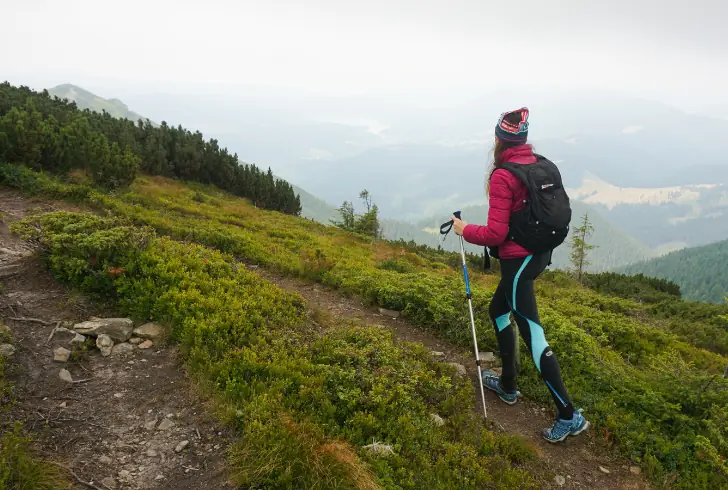
Outdoor experiences do not require complex preparation or heavy equipment. Modern options in lightweight camping equipment allow quick setup and easy mobility, especially for short trips or weekend stays. Compact tents, portable seating, and simple sleep setups support comfort without adding unnecessary load.
Food choices also influence the ease of outdoor activity. Ready-to-eat hiking food such as trail mixes, protein bars, and dehydrated meal packs offer steady energy without cooking requirements. These options help maintain stamina during movement-heavy activities while reducing preparation time.
With practical gear and simple food planning, attention stays on the surroundings rather than logistics. This approach supports longer, more relaxed outdoor sessions without added stress from preparation overload.
Starting with Local Outdoor Activities
Outdoor wellness does not require long-distance travel or structured adventure planning. Local parks, short nature trails, and nearby green zones provide enough exposure to begin experiencing benefits. Short walks during early hours or evening light can support both physical movement and mental reset.
Weekend hikes with light snacks and comfortable clothing often serve as a natural starting point. Over time, consistency matters more than intensity. Even small but regular exposure to outdoor environments contributes to improved mood stability and better physical balance.
Time spent outdoors supports a steady connection between physical health and mental clarity. Lower stress response, improved vitamin D levels, better oxygen intake, and active movement patterns work together to strengthen overall wellness.
With simple planning and minimal equipment, access to these benefits remains open and practical for daily life.