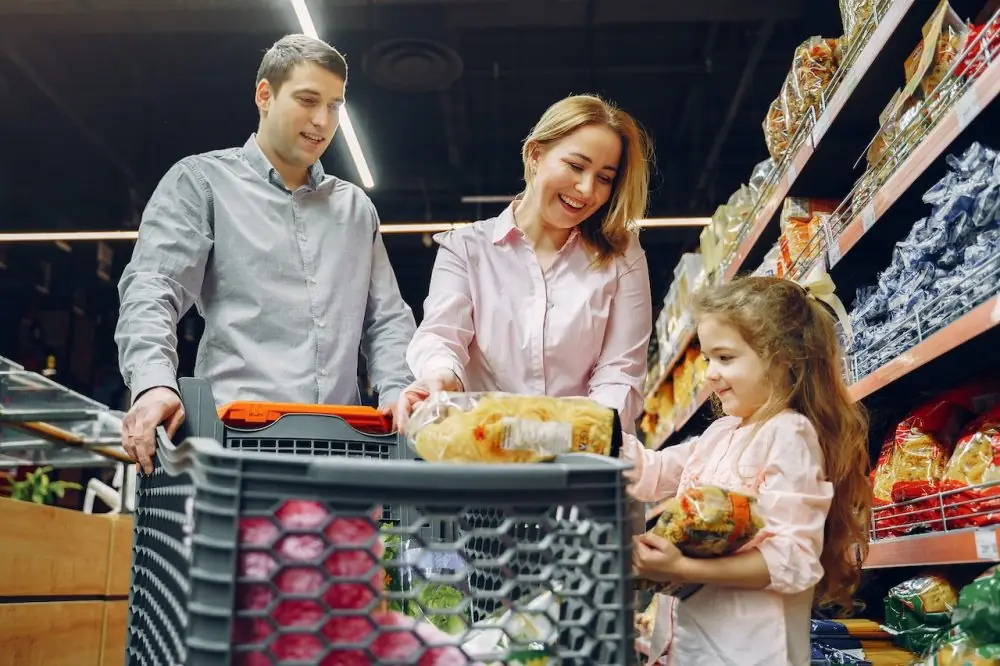
Grocery shopping is an everyday activity for many people. But that does not mean it is the same around the world. In fact, the way Americans shop for groceries looks quite different from how other countries go about getting their food. To understand why this is the case, it helps to look at some of the differences in grocery culture between the U.S. and other nations like Japan and Europe.
Here are some common ways that make American grocery shopping stand out from other parts of the world:
Delivery Options
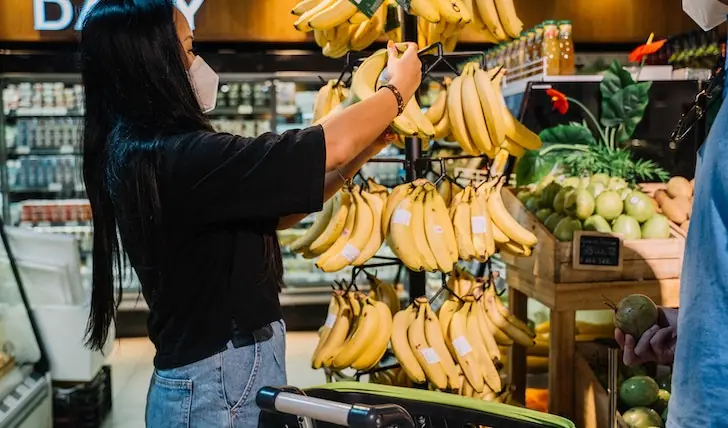
In many other parts of the world, grocery delivery services are the norm. In Japan, for instance, it is not uncommon to see delivery people heading out from supermarkets on bikes, especially when delivering groceries directly to customers’ homes.
This is a much more common practice than in the U.S., where delivery services like Instacart and AmazonFresh are just starting to gain traction and become widely available.
Size of Stores
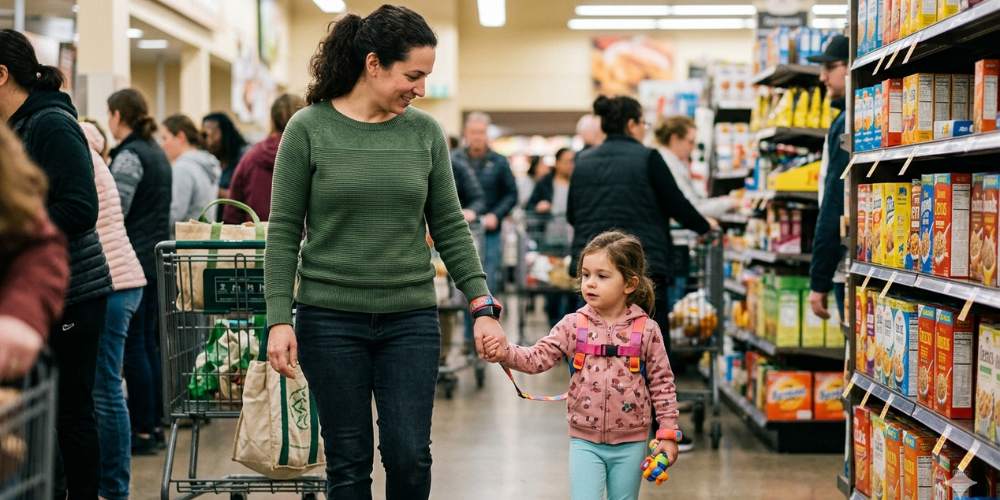
American supermarkets tend to be larger than those found in other countries. While this means you have more variety at your fingertips, it also means that trips can take longer and require more planning. On the other hand, many countries overseas have smaller grocery stores that allow shoppers to quickly grab what they need. All without having to wander around looking for items on their list.
Pricing Policies
In the U.S., shoppers typically pay a set price for items at the register. In other countries, however, prices can be much more flexible depending on how many of an item you are buying or when you are buying it.
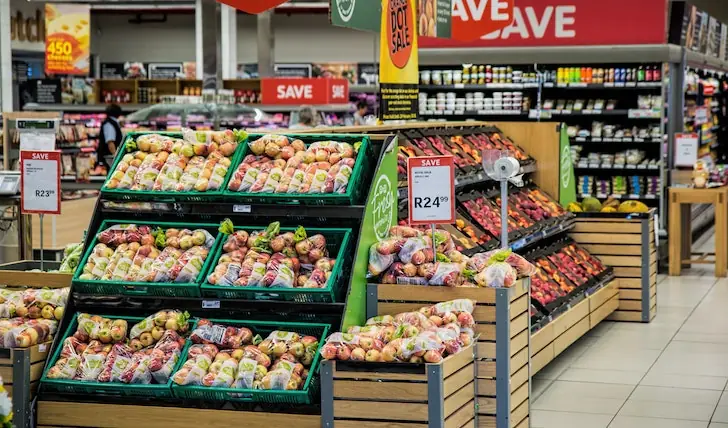
For instance, in Japan, customers may be able to get discounted prices if they purchase multiple of something at once.
Shopping Carts
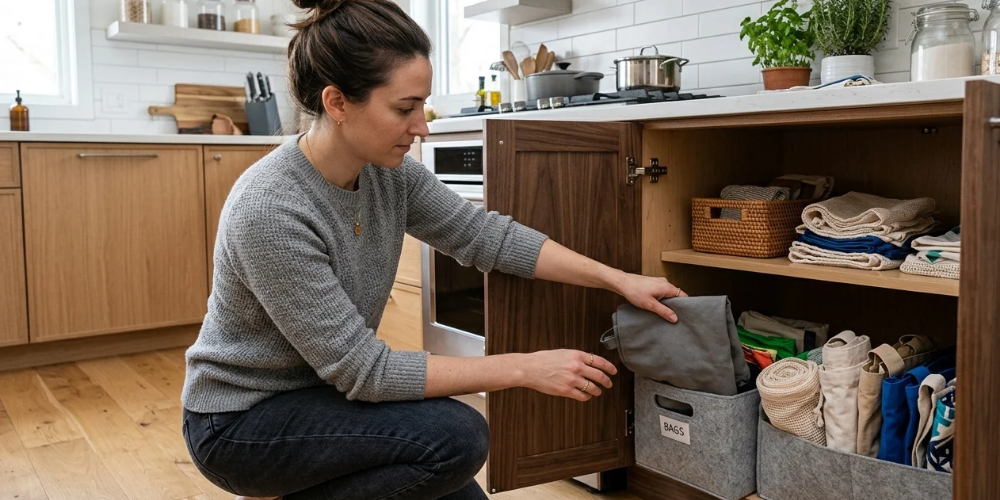
Many American supermarkets provide shopping carts for their customers, making transporting the items from store to home easier. However, this is not necessarily the case everywhere else in the world.
In some places like Japan and Europe, shoppers are expected to carry their items out with them.
Open Vs. Closed Packaging
Another difference between American shopping and that of other countries is how items are packaged for sale. In the U.S., it is common to see items already pre-packaged in plastic bags or boxes.
On the other hand, in Japan and Europe, shoppers typically have the option to choose their own packaging from open bins or shelves before paying at the register.
Brand Loyalty
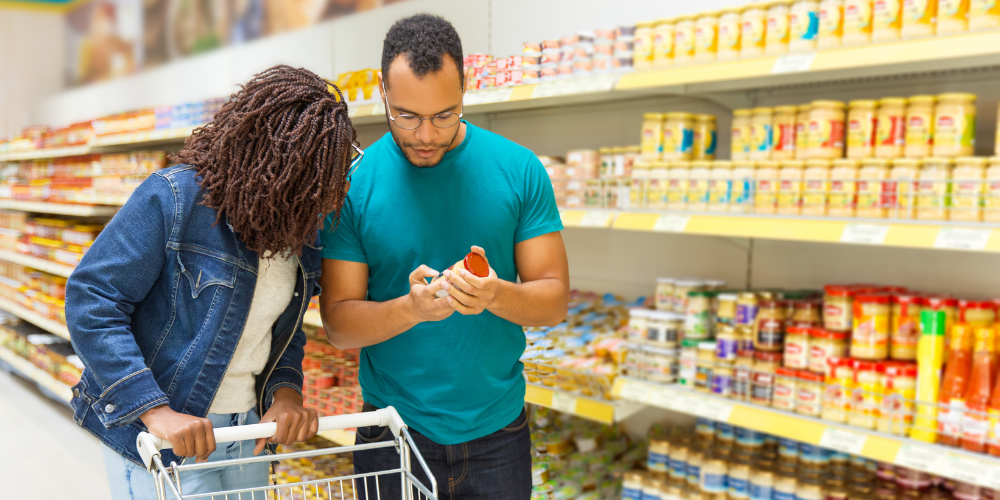
American shoppers tend to be much more brand loyal than those in other parts of the world, meaning they prefer to buy products from companies they know and trust. This is not necessarily true elsewhere; in many markets like Japan, shoppers may be more likely to switch brands based on price or availability.
Organic Options
In the U.S., organic foods have become increasingly popular in recent years, with many supermarkets now offering a variety of organic options for people to choose from. This is not necessarily true elsewhere. Although organic produce may be available in some countries, it is often prohibitively expensive and is not as widely available as it is here in the U.S.