Grocery shopping often feels routine, but small habits can make a big difference in savings. One trick that savvy shoppers use consistently? Paying attention to unit pricing.
This underrated tool helps compare prices between different sizes and brands—revealing the true value of every product on the shelf.
Why Unit Pricing Beats Sticker Price
Many shoppers only look at the shelf price. However, that figure isn’t always accurate. Unit pricing shows how much an item costs per unit—whether that’s by ounce, pound, or liter. Barbara Kahn, a marketing professor at the University of Pennsylvania, explained it best:
“If price matters to you, then the unit price tells you exactly what you’re paying.”
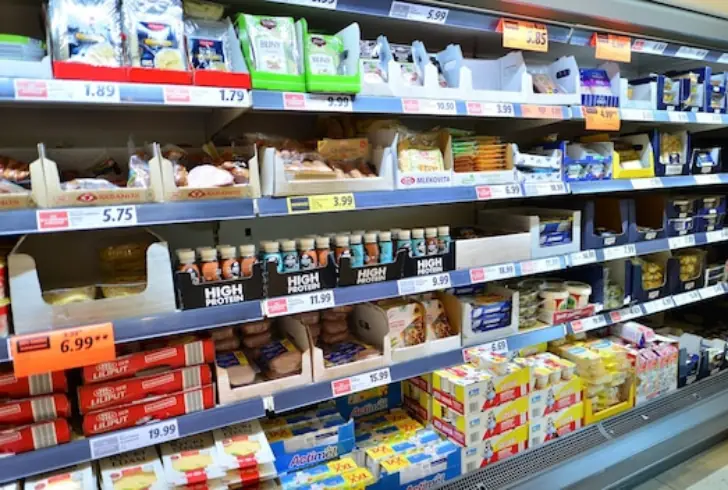
Let’s say two ketchup bottles are side-by-side. The store brand may look cheaper upfront. But when checking unit pricing, the name brand could actually offer a better deal per ounce. Without unit pricing, those subtle savings can slip away unnoticed.
Bigger Isn’t Always Better
It’s tempting to assume that buying in bulk equals bigger savings. However, that’s not always the case. For example, purchasing three paper towel rolls in a bundle might seem smart, but the price per roll may actually increase compared to buying them individually. Unit pricing helps clarify when larger packages make sense—and when they don’t.
Still, price isn’t the only factor to consider. Brand preference, size, and convenience all play a role. As Kahn noted, “You can decide what’s worth it. The information is there for you to weigh the options.”
How to Calculate Unit Price Yourself

In some regions, like New Jersey, big-box stores must display unit pricing by law. But in many areas, it’s up to the shopper to do the math. Fortunately, it’s simple:
1. Divide the total cost by the product’s weight or volume
2. Example: A $2.50 can of beans that weighs 10 ounces = $0.25 per ounce
There are also free mobile apps that help calculate unit pricing in real time, adding convenience while shopping.
Staying mindful of unit prices transforms everyday shopping into a budget-friendly strategy. It builds confidence and empowers better decisions at the register. While every shopper values different things—like size, brand, or convenience—price transparency offers a powerful edge that makes every cent count.