
Grocery shopping often turns into a mix of guesswork and impulse buys. A missing plan can quietly inflate the bill while leaving the fridge full of items that never get used. A simple structure can change that experience completely.
The 5-4-3-2-1 method has gained attention for making grocery trips quicker, more intentional, and easier to manage without overthinking every item.
The 5-4-3-2-1 method, introduced by Chef Will Coleman, offers a straightforward way to build a balanced grocery list. Each number represents a food category, making it easier to shop with purpose instead of wandering through aisles without direction.
The original breakdown includes:
Five vegetables
Four fruits
Three proteins
Two sauces or spreads
One grain
Plus a treat
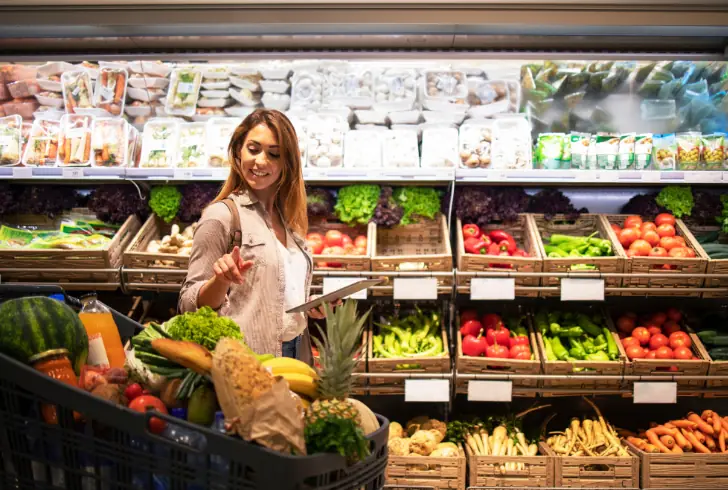
This structure creates a clear outline while still allowing flexibility. Some variations exist. For example, Healthline suggests a slightly different split with five vegetables, four proteins, three fruits, two carbohydrates, and one treat. The idea stays the same—keep the list focused and balanced.
Why This Method Works
This approach shifts the focus from buying less to buying smarter. Instead of relying on willpower in the store, the method sets clear boundaries before stepping inside. That alone reduces impulse purchases.
It also supports balanced eating. With a mix of vegetables, proteins, and grains, meals naturally come together without last-minute scrambling. Planning becomes less stressful because the essentials are already covered.
Another benefit lies in flexibility. The numbers are not fixed rules. Some weeks may call for more fruits than vegetables or an extra grain instead of sauces. Adjustments are part of the system, not a mistake.
Making Weekly Meal Planning Easier
Pairing the method with a simple meal template can make a noticeable difference. A basic structure—protein, carbohydrate, and vegetable—helps organize meals without requiring complex recipes.
Using overlapping ingredients also saves both time and money. For instance, chicken and rice can appear in multiple dinners, with different vegetables or sauces changing the flavor. This reduces waste and stretches ingredients further.
Even with this system, grocery lists often go beyond 16 items. Pantry staples, spices, and recipe-specific ingredients still play a role. These are often considered “free items” within the method and do not disrupt the overall structure.
Adapting the Method for Different Needs

Households with more people may need larger quantities, especially for proteins and staples. The method still applies, though the volume increases. It remains a guide rather than a restriction.
Some meals may include ingredients that do not fit neatly into the categories. That does not limit the method’s usefulness. It simply serves as a starting point, helping shape a smarter approach to shopping rather than enforcing strict rules.
Building Better Shopping Habits
Shopping without a plan often leads to buying based on mood or hunger. This method reduces that pattern by creating a clear path before entering the store. It encourages thoughtful choices instead of quick decisions.
Over time, this habit can lead to better budgeting and less food waste. The focus shifts toward using what is purchased, rather than letting items sit unused.
The 5-4-3-2-1 grocery method offers a practical way to simplify shopping without adding complexity. It brings structure, supports balanced meals, and reduces unnecessary spending. With its flexible design, it adapts easily to different households and preferences.
A small shift in how a list is created can lead to a more organized kitchen and a more controlled grocery budget.