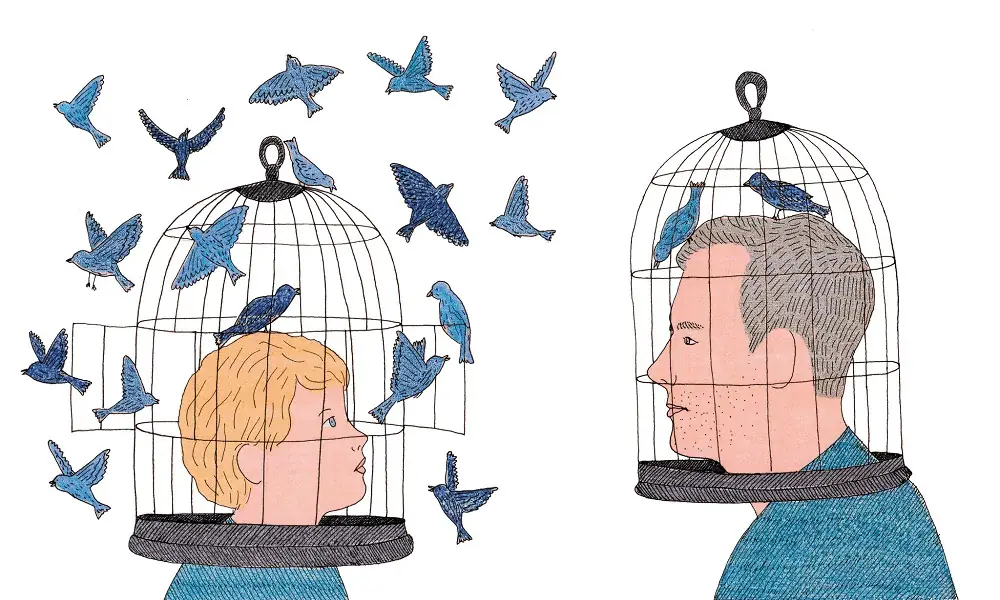
The truth is that creativity is a skill, not a gift. And with practise, anyone, be they a painter, writer, accountant, stay-at-home dad, CEO, designer, etc, can become better at anything over time. It all revolves around coming up with novel approaches to issues and circumstances.
The executive attention network, which controls focus and attention; the imagination network, which controls, you guessed it, imagination and daydreaming; and the salience network are the three brain networks that are in charge of creativity (which is responsible for making connections between the knowledge stored in your brain and your environment). And you need to figure out how to involve all three if you want to become more creative.
Fortunately, there isn’t a single best approach to developing creativity. Depending on the result you want, there is a tonne of different ways you may take, and each one will uniquely increase your creativity. These suggestions can be useful if you’ve ever sought to increase your creativity.

Commit yourself to creativity
Spending time honing your creative skills is the first step to enhancing creativity. Do not postpone making an attempt. Establish priorities, ask for assistance, and schedule daily time for skill development. If painting is something you’re interested in, for instance, schedule frequent practise sessions.
Travel to other places
It’s critical to keep your mind stimulated with new sights, sounds, tastes, smells, and experiences since your brain’s wiring affects your creativity. Experience a new culture to expose yourself to completely other points of view. Your brain’s synapses can think creatively if you keep your senses sharp.

Travel increases cognitive flexibility and the depth and integrativeness of thought or the capacity to make complex connections between many forms. Numerous research findings emphasize how crucial it is to immerse oneself in a place’s culture in addition to visiting it. You give yourself the opportunity to acquire new ways of thinking that you can apply to your own ideas by engaging with the local people, food, and art.
Let yourself be bored
If you’re like most people, you schedule every moment of your day with a different assignment and take pride in being “busy.” But if you’re always working, you don’t give your thoughts a chance to roam.
Allowing yourself to be bored will help you be more creative. While you daydream when you’re bored, your brain’s imagination network is activated. Additionally, studies demonstrate that boredom and all the daydreaming you do while you’re bored can inspire creative thinking and generate a tonne of fresh, original ideas.

Take risks
You must be willing to take chances to develop your creative ability. Even if your attempts might not always be successful, you will be honing your creative abilities and developing skills that will be of great use to you in the future. For instance, presenting your work in a creative writing class could be scary. However, the feedback you get from your peers and teachers can be quite helpful.